

Maybe this is the first RV you’ve ever purchased. Maybe, this is your fifth upgrade after your nest has emptied and you decided you don’t need such a large, cumbersome rig and the gas prices that come with it. Either way, there is a voluminous amount of anxiety that comes with purchasing an RV and we’ll take a deep dive here to help reduce some of that stress and take you through our tips and tricks we learned when buying our first RV. While this post is not comprehensive, it will be a good place to start. If you like this series and want to see more tips and tricks in the future, please like and subscribe to the site to receive regular updates and information on how being a digital nomad can change your life. Now…
What RV to Buy?
This is always the first question you should ask yourself: What RV do I need and what RVs are available?
To start, we will look at the types and styles of RV that are available to you on the market today. While these have a plethora of options within their own categories, a basic understanding will help you make an informed purchasing decision and make buying your RV a less confusing experience.

- Class A – These are the largest RV option. The cabin and coach is combined living space, where frequently the captains chairs in the cabin rotate a full 180 degrees and double as seating for tables or lounging.
- Class B – Smaller than a class A, often in a cargo-van form factor, but otherwise very similar in function and style.
- Class C – These are box-truck or sit-on-frame style RVs. These are typically built on large, commercial truck frames with hefty engines. While the cabin isn’t livable space, it’s open and connected to the living space.
- 5th Wheel – This is an extra large trailer, frequently seen with a gooseneck-style connection, and also happens to be the option for which we opted. They often have great storage availability and ample space, but require a larger-than-average truck to tow them.
- Travel Trailer – These are smaller, hitch-pull trailers that can be pulled via standard model trucks. These are often pop-up or teardrop style trailers with limited storage and space, but easy and convenient set-up.
Depending on your family and your needs, you may decide one of these is a better fit than others. While a Class A can provide a spacious, luxurious all-in-one package, a Fifth Wheel allows you to have a separate, dedicated vehicle for travel during your stay.
We wanted the option to have a dedicated vehicle, as we live full-time in our RV and would need the option to travel to local stores for daily living needs, such as groceries and toiletries. We also wanted to be able to travel unencumbered to local hot spots for our weekend or evening adventures. Our story may not match your lifestyle and you should be empowered to do your research, ask your local dealership for advice, and select the RV that best matches your lifestyle or expected purpose. Our recommendation is that you go to dealership websites (or even in person) to look at their RV options, which are often categorized by the same schemas we have used here in this article.
Practice Your Driving
Have you ever sat behind the wheel of a bus? What about a large truck? Pulled a trailer?
All of these factors contribute to your RV-driving repertoire and should be considered well before you purchase your RV, because the dealership will hand you those keys whether or not you know what you’re doing when you drive off that lot.
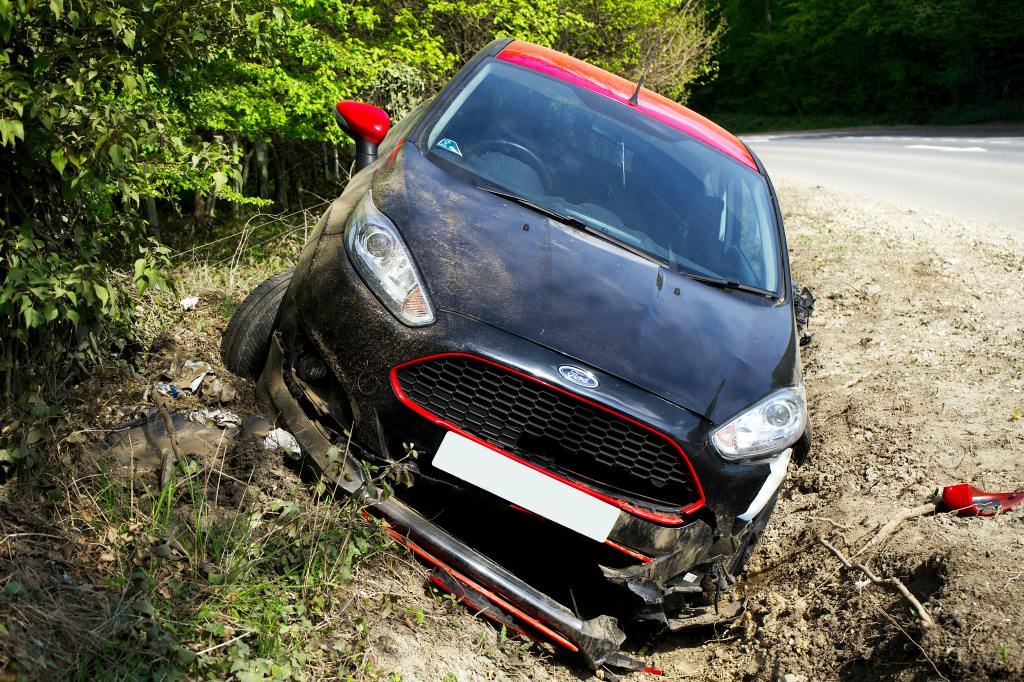
The woes of vehicles follow everywhere we go – even the best drivers in the world, even Formula One drivers, have accidents and mishaps. These are mitigated by being well-practiced in whatever vehicle you choose to operate, and its best not to wait until you have 20,000 pounds attached to your truck before you consider your turn radius or your vehicle’s stopping power.
We recommend you find a well-lit, open, and clear parking lot (preferably before you even go to a dealership to purchase your RV so that you know the route ahead of time) in which to practice with your new rig. Practice parking, hitching/unhitching, accelerating, stopping, and reversing. You (and your pride) will be glad you did, and so will your insurance company.
Fresh or Well-Loved
Like purchasing a car, buying an RV has a lot of considerations when it comes to whether to purchase it new or used. Like cars, new RVs lose their value quickly as soon as they are driven off of the lot. Unlike cars however, new RVs have a much larger negotiation margin and can often be negotiated down as much as 30% or more against the MSRP (Manufacturer Suggested Retail Price).

New RVs should be considered if:
- You want to customize or contribute to the RV and its amenities
- You want better warranties and assurances against potential issues
- You don’t want something other people have lived in before you
You should consider purchasing your RV used if:
- You’re conscious about budget and want the most affordable possible option
- You’re interested in remodelling and are OK with the risks (and maybe a bit handy, too)
- You don’t feel like an extended or full-coverage type warranty is necessary for your situation
Ready to Hit the Open Road?
If you’re not there yet – that’s OK too! Stay tuned and subscribe to see more RV tips, nomad lifestyle information, tech tips for the techno-traveller, and so much more. We’ll be here when you ARE ready!
 byJakeJohnson
One response to “Three Tips and Tricks: Buying Your RV”
[…] you’re renting or new to RVing and don’t know what type of RV you have, see our article here for more information on RV types and […]
LikeLike